



UNICEF Trains Kano, Jigawa Journalists on Ethical Reporting of Children
By Ayeeshat J. Ahmad
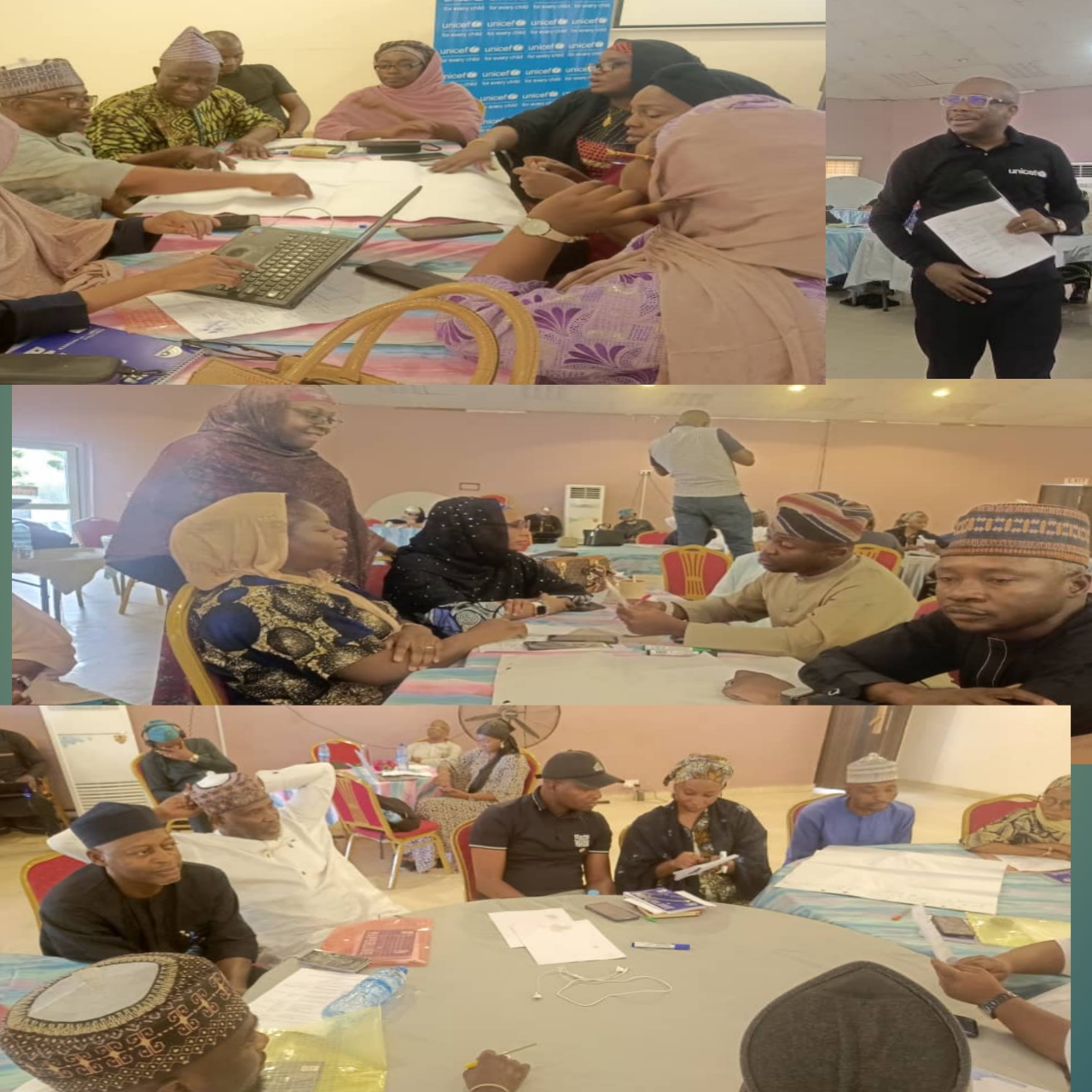
The United Nations Children’s Fund (UNICEF) has organized a training for journalists from Kano and Jigawa States on ethical reporting of children to protect their dignity and future.
The training, held in Jigawa State, aims to strengthen journalists’ approach to reporting children-related issues in a responsible and professional manner.
In his remarks, the Officer-in-Charge-Chief of Field Office, UNICEF Kano, Dr. Karanveer Singh, appreciated journalists for their commitment to informing the public despite the challenges they face.
“You work in a complex environment, often at great personal risk, to bring truth and information to the public. Your role is not just a job; it is a vital service to democracy and community,” he said.
Kano REMASAB Pushes for Sustainable Waste Management
CHRICED Decries Budget Failures, Demands Transparency in Capital Expenditure
NPC, UNICEF Partner to Accelerate Digital Birth Registration in Kano
He stressed that ethical reporting of children is critical in building a functional society and safeguarding the future of children in the region.
Adding that ethical journalism promotes trust, unity, and peace, Dr. Singh noted that accurate and balanced reporting helps to reduce misinformation and prevent division in society.
He explained that children are vulnerable and must be protected in media reports, warning that exposing their identities or sharing sensitive information could lead to stigma and long-term harm.
“Ethical reporting means protecting their identity and prioritizing their best interests. Journalists are guardians of children’s dignity,” he added.
Dr. Singh further cautioned against sensational reporting, including the use of graphic details and exploitative interviews, which may re-traumatize children affected by violence or abuse.
Speaking at the training, the Chairperson of the Nigeria Association of Women Journalists (NAWOJ), Lagos Chapter, Jumoke Falayi, said the goal of reporting children is to protect their dignity and safeguard their future.
“Every child-related report should aim to prevent future abuse and protect other children, not just the child involved,” she said.
She urged journalists to handle child-related cases with care, ensuring that their reporting does not cause further harm or trauma.
Also speaking, Dr. Jide Johnson emphasized the need for full implementation of the Child Rights Act, noting that protecting children is essential for national development.
He called on government and stakeholders to invest in child survival, development, and protection, including access to vaccination and other basic services.
Another facilitator Lekan Sote, called for a change in mindset among journalists when reporting on children.
“The idea is to do no harm to the child. Once information is made public, it may be difficult to withdraw,” he said.
Sote warned that exposing sensitive details about children could affect their future, emphasizing that children should be treated differently from adults, especially in conflict with the law.
Pulse Time Nigeria reports that the training is part of efforts to promote ethical journalism and strengthen child rights protection in media reporting.