



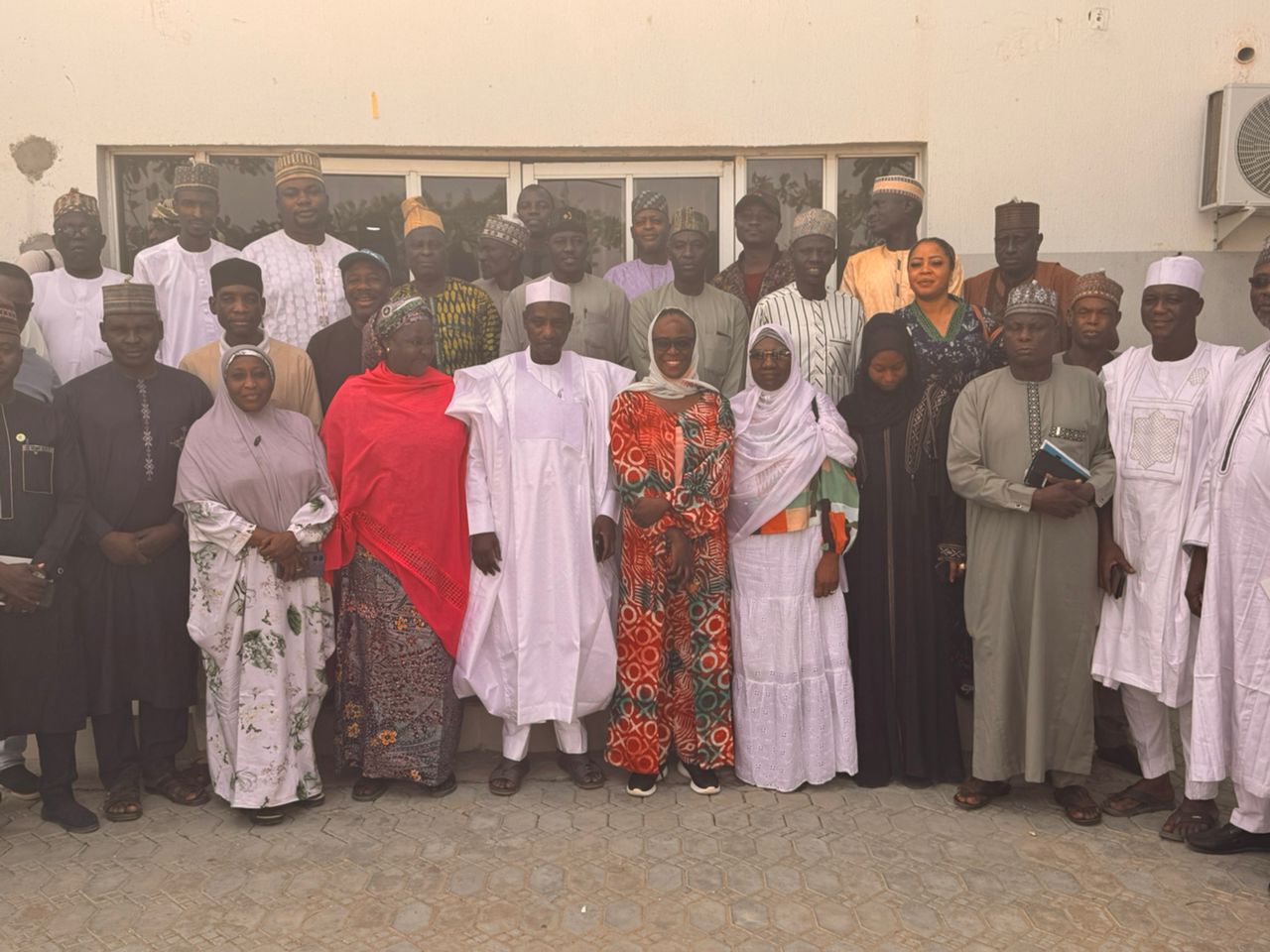
UNICEF, Federal Ministry of Information Lead Media Tour to Boost WASH Services in Jigawa Schools and Health Facilities
By Aishat J.Ahmad
UNICEF in collaboration with the Federal Ministry of Information and National Orientation organized a media tour and dialogue on Water, Sanitation and Hygiene (WASH) services in schools, health care facilities, and public spaces across Jigawa State.
KNCDC Conducted Case Management Sensitization in Gamji Village Over Suspected Diphtheria, CSM
APC’s E-Registration: Epe Council Chief Donates Logistics To Boost Exercise
NAWOJ, Aminu Magashi Foundation Hold Peace Dialogue for Female Journalists in Kano
KAT Club Graduates 65 Students, Earns Commendation from Kano Education Ministry
Gwarzo Foundation Sponsors Education of 12 Orphans in Borno state
The initiative aimed to provide a platform for duty bearers and the news media to interface on WASH issues, inform stakeholders about service standards and set milestones for 100% access to WASH services by 2030, and agree on monitoring indicators to track progress toward SDG 6 targets in schools and health care facilities.
During the field visit, journalists observed conditions at selected schools, including Shawari, Chamo, Kuho, and Gadadin Primary Schools, assessing water availability, sanitation facilities, hygiene practices, and the functionality of existing WASH infrastructure.
Findings at Chamo Primary School show that the school has 869 pupils with 11 teachers made up of six permanent and five temporary staff. Despite the large enrolment, the school currently has no functional water supply system.
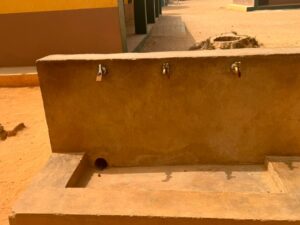
Although solar-powered taps and related facilities were previously installed in the school.
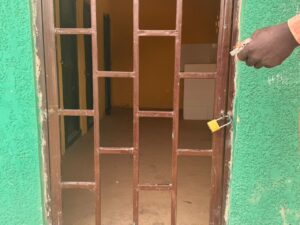
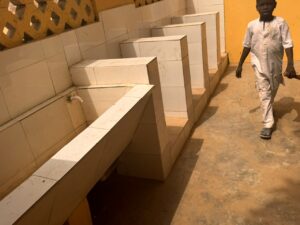
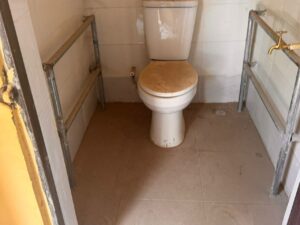
On sanitation, the situation is also critical. The school has no functional modern toilets and still depends on an old pit latrine considered unsafe and unsuitable for the pupil population. Nine toilet units exist but are in poor condition, with some lacking roofs and basic hygiene standards.
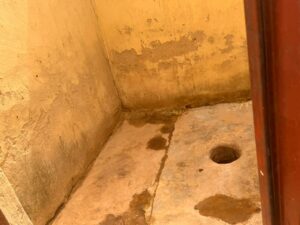
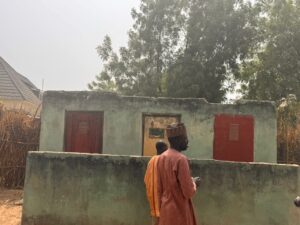
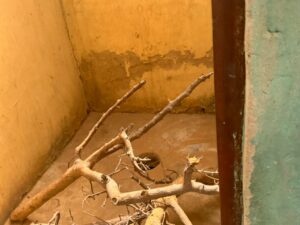
School officials said complaints have been forwarded to the Education Secretary regarding the broken water and toilet facilities, but repairs are yet to be carried out.
However at Shawari Primary School, the monitoring team found a pupil population of 1,184. The school has six permanent and two temporary primary school teachers, four permanent secondary school teachers, four temporary teachers and ten NYSC member, bringing total staff strength to 26.
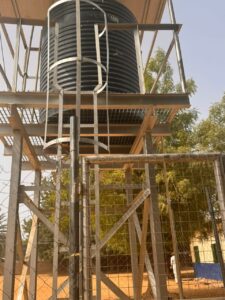
The school operates a solar-powered water system, but it is inadequate for the large number of pupils. Observers noted that while the facility is functional, the volume of water produced does not meet daily demand, creating pressure on existing supply points.
Shawari Primary School has two toilet blocks with a total of 10 toilets — four designated for female pupils, one for female teachers, while the remaining five are shared by male pupils and teachers.
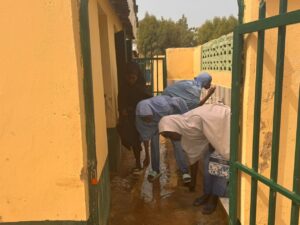
The number is considered too small for the enrolment size, resulting in a high pupil-to-toilet ratio. There are no fully separate toilets reserved for teachers.
In his remarks, the Chairman of the State Universal Basic Education Board (SUBEB), Professor Haruna Musa, said Jigawa State has a comprehensive WASH strategic plan covering 3,349 basic schools as well as junior and senior secondary schools statewide.
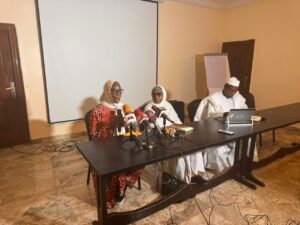
He clarified that the budget for WASH interventions is statewide, not limited to the schools visited by the media tour.
Professor Musa commended UNICEF for being a strong partner in supporting multiple interventions and pledged to follow up on some schools where CRIBS-installed WASH facilities.
He further emphasized the importance of strengthening School-Based Management Committees (SBMCs) to ensure local ownership and sustainability of WASH services.
Observations from the tour revealed significant progress as well as gaps. While some schools have functional water and sanitation systems, others rely on outdated facilities.
Speaking at the event, UNICEF Communication Specialist Susan Akila Command the Jigawa state government for its WASH interventions.
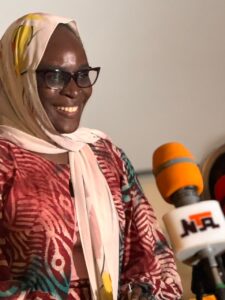
She noted that Jigawa has been declared an open-defecation-free state, and the media tour highlighted the need to ensure functional WASH facilities are available in all schools and health care facilities, reinforcing the state’s status as a working model in sanitation.
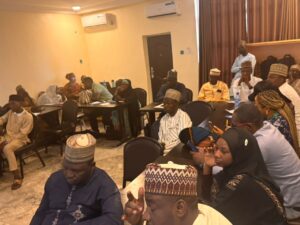
The media dialogue that followed a day after the field visit provided a platform for journalists, government officials, and development partners to discuss challenges, successes, and strategies to achieve 100% access of WASH facilities in Jigawa State.