


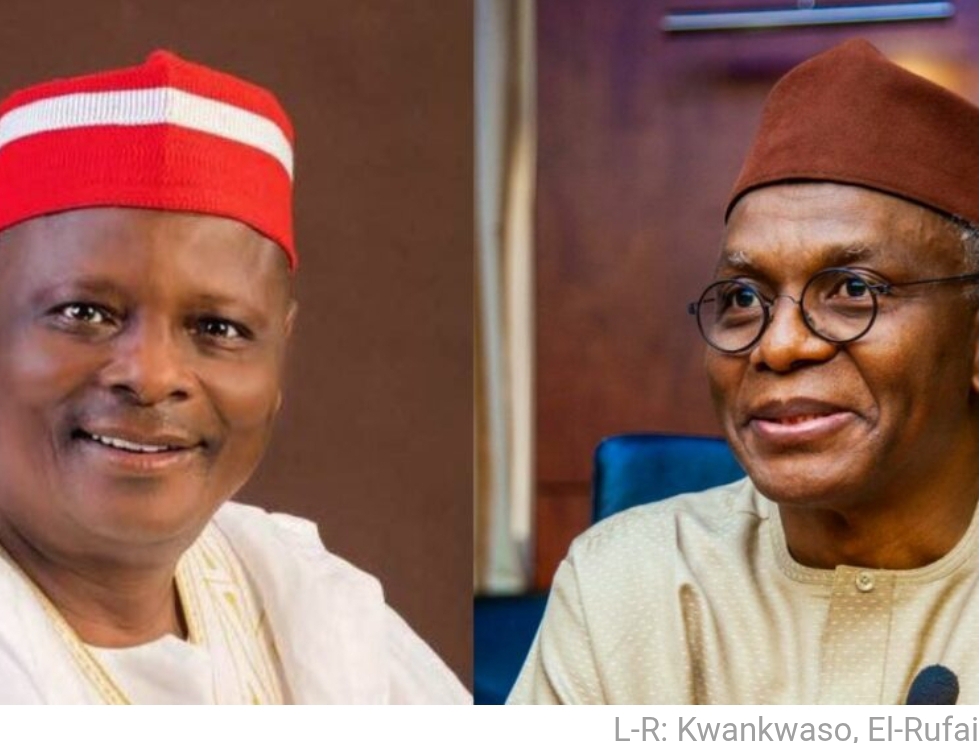
Nasir El-Rufai Defends Rabiu Kwankwaso Over Sharia Law Controversy He said The Focus was Unfair and Selective
By jimoh Michael
Former Kaduna State governor, Nasir El-Rufai, has defended former Kano State governor, Rabiu Kwankwaso, over the controversy surrounding the implementation of Sharia law in northern Nigeria, saying it is misleading to single him out among other leaders who adopted the same legal framework.
El-Rufai spoke on Friday during a political programme on Arise TV where he addressed current political developments and speculation about his future presidential ambition.
He said although politics remains fluid, he has not taken any decision to contest for the presidency.
According to him, any future move would depend on consultations with his political associates and party stakeholders.
“You never say never in politics, but the decision to run for president has not been made by me,” he said, noting that discussions about his ambition remain premature.
Speaking on Nigeria’s general condition, El-Rufai described the country as passing through a difficult phase and urged citizens to pay closer attention to governance and security issues affecting both Christians and Muslims.
On reports of a proposed United States congressional measure allegedly listing Kwankwaso among persons who could face visa restrictions and asset freezes over religious freedom concerns, El-Rufai said the focus on the former Kano governor was unfair and selective.
He explained that about 12 northern states implemented Sharia law, stressing that Zamfara State was the first to introduce it before others followed, including Kano State.
“Kwankwaso followed suit like many other northern governors. Kano did not do anything different in the way it implemented Sharia. Kano was not very strict,” he said, adding that Kwankwaso should not be portrayed as a religious extremist.
El-Rufai also mentioned former Zamfara governor, Abdulaziz Yari, and others, arguing that several leaders enforced Sharia but are not being mentioned in the current debate.
He alleged that political considerations may be behind the attention on Kwankwaso, linking it to his refusal to join the ruling All Progressives Congress, and urged Nigerians to be cautious about politically driven narratives.
On insecurity and genocide allegations, El-Rufai said protection of lives should be the priority, insisting that violence affects all citizens regardless of religion and that Nigerians must ask critical questions about the sources of such claims.