


KNCDC Conducted Case Management, Sensitization in Gamji Village Over Suspected Diphtheria, CSM
By Aishat J.Ahmad
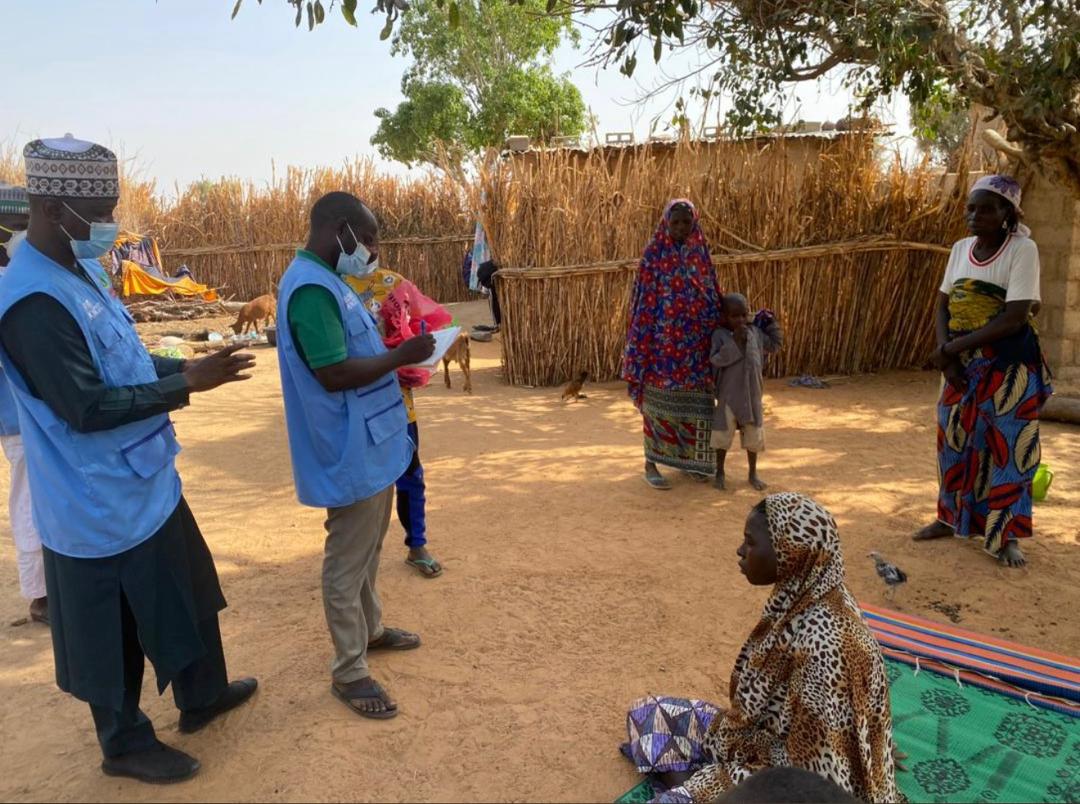
Kano State Centre for Disease Control (KNCDC) carried out case management, community sensitization, and sample collection in Gamji Village, Garko Local Government Area, following reports alleging deaths linked to suspected diphtheria and Cerebrospinal Meningitis (CSM).
APC’s E-Registration: Epe Council Chief Donates Logistics To Boost Exercise
NAWOJ, Aminu Magashi Foundation Hold Peace Dialogue for Female Journalists in Kano
KAT Club Graduates 65 Students, Earns Commendation from Kano Education Ministry
The intervention followed circulating media reports that several residents of the village died from symptoms associated with infectious diseases, prompting an immediate public health response from the state authorities to verify the claims and assess the actual situation on ground.
Leading the response team, the Director-General of KNCDC, Professor Muhammad Adamu Abbas, deployed medical and public health experts to the affected community for on-the-spot investigation and emergency case management activities.
Speaking during the field operation, Abbas said the mission was aimed at early detection, prompt treatment, and prevention of further spread of any communicable disease found in the area.
“Our presence here is to verify the situation, manage any suspected cases, and protect the wider community through early intervention and laboratory confirmation,” he said.
The exercise, conducted on Saturday, involved a detailed epidemiological assessment designed to track symptoms, identify suspected cases, and evaluate possible risk factors within households and across the village.
KNCDC divided its personnel into four operational teams, each assigned to specific sections of the community to carry out house-to-house visits for case search, clinical assessment, and immediate response support.
Residents showing symptoms were examined by health professionals, while relevant samples were collected for laboratory analysis to accurately determine the cause of illness and guide further medical action.
Affected individuals received free medications and basic treatment support on the spot, while families with suspected cases were given medical advice on home care, isolation measures, and when to seek urgent hospital attention.
Health officials also conducted community sensitization sessions, educating residents on early symptoms of infectious diseases, the dangers of delayed treatment, and the importance of reporting unusual illnesses quickly.
The sensitization campaign was extended to mosques and other gathering points, where community members were urged to cooperate with health authorities and comply with preventive guidelines during suspected outbreak situations.
The intervention highlights the state’s rapid response approach to disease surveillance and outbreak control, with health authorities stressing that laboratory results will determine the next line of action.
Pulse Time Nigeria reports that surveillance teams are expected to continue follow-up visits in the area.
The Kano State Government reaffirmed its commitment to protecting public health and assured residents that KNCDC will maintain close monitoring of the situation and scale up response measures if laboratory findings confirm any outbreak.